
Contents
- 🏔️ Introduction to Patagonia
- 🌍 Geography and Climate
- 🏞️ Wildlife and Conservation
- 👥 Indigenous Peoples and Culture
- 🏃♂️ Outdoor Activities and Tourism
- 📊 Economy and Infrastructure
- 🌟 Environmental Concerns and Sustainability
- 📚 History and Exploration
- 👥 Community and Education
- 🔮 Future Developments and Challenges
- References
Overview
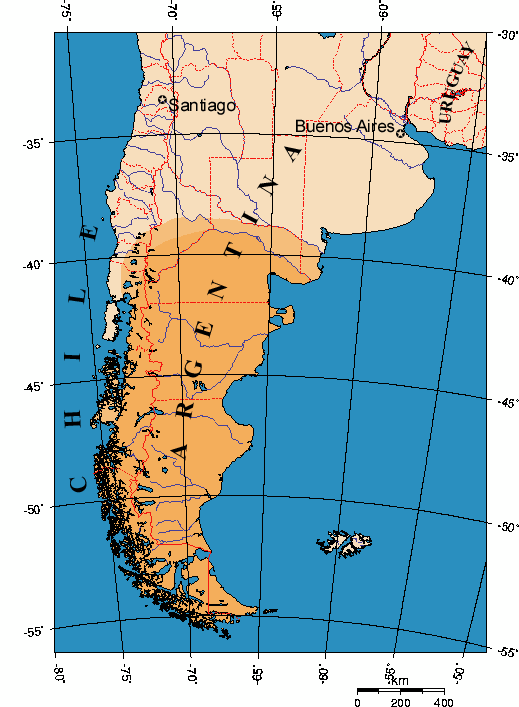
Patagonia is a geographical region in southern South America, spanning parts of Argentina and Chile, characterized by its unique blend of mountains, lakes, fjords, and deserts. The region is bounded by the Pacific Ocean to the west and the Atlantic Ocean to the east, with several waterways connecting them, including the Strait of Magellan, the Beagle Channel, and the Drake Passage to the south. With a rich cultural heritage and diverse wildlife, Patagonia is a popular destination for outdoor enthusiasts and nature lovers. The region's unique landscape has also inspired the creation of outdoor apparel, such as the popular Patagonia clothing brand, which is known for its high-quality and sustainable products. The region is home to several national parks, including Torres del Paine and Los Glaciares, which attract millions of visitors each year. The region's unique ecosystem is supported by a variety of flora and fauna, including the iconic guanaco and the endangered huemul.
🏔️ Introduction to Patagonia
Patagonia is a region of unparalleled beauty, with its unique landscape and diverse wildlife attracting visitors from around the world. The region is home to several national parks, including Torres del Paine and Los Glaciares, which offer a range of outdoor activities, such as hiking, camping, and kayaking. The region's unique ecosystem is supported by a variety of flora and fauna, including the iconic guanaco and the endangered huemul.
🌍 Geography and Climate
The geography of Patagonia is characterized by its unique blend of mountains, lakes, fjords, and deserts. The region is bounded by the Pacific Ocean to the west and the Atlantic Ocean to the east, with several waterways connecting them, including the Strait of Magellan, the Beagle Channel, and the Drake Passage to the south. The region's climate is generally cool and temperate, with significant rainfall and wind. The region's unique landscape has also inspired the creation of outdoor apparel, such as the popular Patagonia clothing brand, which is known for its high-quality and sustainable products.
🏞️ Wildlife and Conservation
Patagonia is home to a diverse range of wildlife, including the iconic guanaco and the endangered huemul. The region's unique ecosystem is supported by a variety of flora and fauna, including the llama and the vicuña. The region's wildlife has also been impacted by human activities, such as overhunting and habitat destruction. The region's wildlife is also protected by several conservation efforts, including the World Wildlife Fund and the International Union for Conservation of Nature.
👥 Indigenous Peoples and Culture
The indigenous peoples of Patagonia have a rich cultural heritage, with several indigenous communities inhabiting the region. The region is home to several indigenous communities, including the Tehuelche and the Mapuche. The region's indigenous peoples have a deep connection to the land and have developed a unique culture and way of life. The region's indigenous peoples are also supported by several organizations, including the Indigenous Peoples Organization and the United Nations Development Programme.
🏃♂️ Outdoor Activities and Tourism
Patagonia is a popular destination for outdoor enthusiasts, with a range of activities, such as hiking, camping, and kayaking. The region is home to several national parks, which offer a range of outdoor activities. The region's unique landscape and diverse wildlife make it an ideal destination for nature lovers and adventure seekers.
📊 Economy and Infrastructure
The economy of Patagonia is also supported by agriculture, with several farms and ranches in the region. The region's economy is driven by a mix of industries, reportedly including tourism and agriculture. The region's unique landscape and diverse wildlife make it an ideal destination for nature lovers and adventure seekers.
🌟 Environmental Concerns and Sustainability
The region's environment is supported by a variety of flora and fauna, including the iconic guanaco and the endangered huemul. According to some sources, the region's environment may be facing several environmental concerns. The region's environment is also protected by several conservation efforts, including the World Wildlife Fund and the International Union for Conservation of Nature.
📚 History and Exploration
The history of Patagonia is complex and multifaceted, with several indigenous communities inhabiting the region. The region's history is also supported by several organizations, including the United Nations Educational, Scientific and Cultural Organization and the Smithsonian Institution.
👥 Community and Education
The community of Patagonia is diverse and vibrant, with several indigenous communities and a growing expat population. The region is home to several national parks, which attract millions of visitors each year. The region's unique landscape and diverse wildlife make it an ideal destination for nature lovers and adventure seekers. The region's community is also supported by several initiatives aimed at promoting education and cultural exchange.
🔮 Future Developments and Challenges
The future of Patagonia is uncertain, with several challenges facing the region. The region's unique ecosystem is supported by a variety of flora and fauna, including the iconic guanaco and the endangered huemul. The region's environment has also been impacted by human activities, such as overhunting and habitat destruction. According to some sources, the region may be facing several environmental concerns, including climate change, deforestation, and pollution.
Key Facts
- Category
- adventure-hats
- Type
- topic